A sewer backup can hit your home like a sudden storm, leaving chaos in its wake. When faced with this unpleasant surprise, knowing how to act quickly can save you time and money. From simple tools you might already have to effective techniques you can try, there are several reliable fixes at your disposal. Let’s explore how you can tackle these plumbing issues before they escalate into bigger problems.
Understanding Sewer Backups: Causes and Symptoms
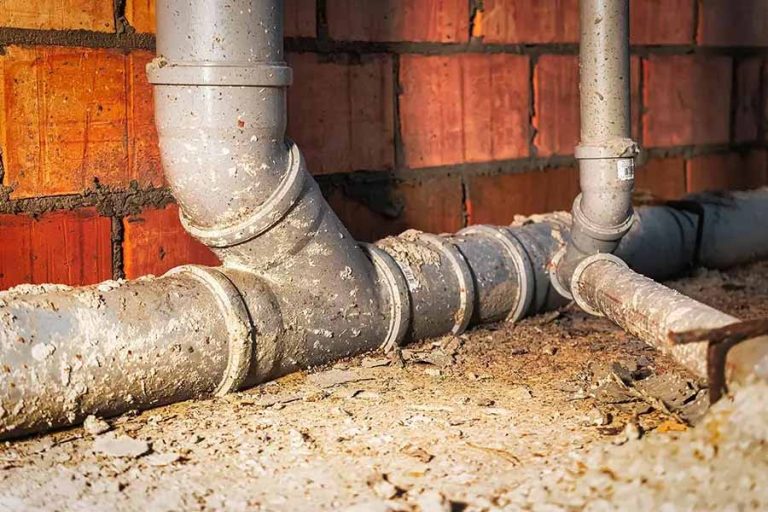
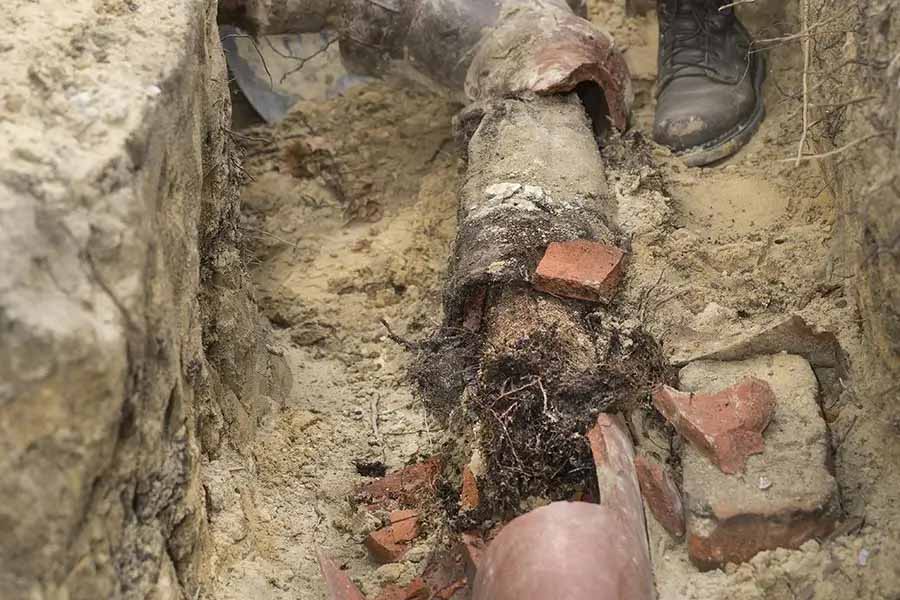
While sewer backups can happen unexpectedly, understanding their causes and symptoms can help you address them quickly. Common causes include clogs from grease, hair, or foreign objects that get stuck in your pipes. Tree roots invading sewer lines can also lead to blockages, creating a serious issue.
You might notice slow drains or gurgling sounds, which are clear signs something’s wrong. If you smell foul odors or see sewage backups in your sinks or tubs, don’t ignore them. These symptoms indicate that your sewer system is overwhelmed and needs immediate attention.
Additionally, keep an eye out for wet spots or patches in your yard, as they may signal a leak in your sewer line. Recognizing these causes and symptoms early on can save you time, money, and hassle. Regular maintenance of your plumbing system can help prevent these issues from escalating. By staying vigilant, you’ll be better prepared to tackle any sewer backup that comes your way.
Safety First: Precautions to Take Before Addressing the Issue
Before you plunge into addressing a sewer backup, it’s crucial to prioritize safety to protect yourself and your property.
First, wear protective gear, including gloves, masks, and waterproof boots, to shield yourself from harmful bacteria and contaminants. Verify proper ventilation in the area by opening windows or using fans to reduce any unpleasant odors and airborne pathogens.
Next, shut off your home’s water supply to prevent further flooding and potential damage. Confirm to also turn off electricity in affected areas, as water and electricity can create hazardous situations.
If the backup is severe, consider evacuating your home until professional help arrives. Reliable sewer repair services can provide the assistance you need to ensure the issue is resolved properly.
Finally, keep children and pets away from the affected area to avoid exposure to harmful substances. Taking these precautions will help you stay safe while dealing with the messy situation at hand.
Assessing the Situation: Inspecting Your Plumbing System
After ensuring your safety and taking necessary precautions, it’s time to assess the situation by inspecting your plumbing system.
Start by checking visible pipes for any leaks or cracks. Look for water stains on walls or ceilings, which might indicate hidden issues.
Next, inspect your drains and toilets; if you notice slow drainage or unusual odors, these could signal a blockage.
Pay attention to your cleanout access points, as they can provide insight into potential backup locations.
If you have a basement, check for any pooling water, as that could suggest a serious problem.
Document everything you find, as this will help you explain the situation to a professional. Additionally, consider the importance of annual maintenance to catch issues early and ensure your plumbing system remains functional.
Using a Plunger: A Simple Solution for Minor Backups
If you notice a minor backup in your drain, grabbing a plunger can be a quick and effective solution.
Start by ensuring there’s enough water in the sink or toilet bowl to cover the rubber part of the plunger. Position the plunger over the drain, creating a tight seal. With a firm grip, push down and pull up rapidly, using short strokes to generate suction.
Repeat this motion several times, as the pressure can help dislodge any blockage.
After a few attempts, check if the water drains properly. If it does, you’ve successfully cleared the minor backup! If not, don’t get discouraged; sometimes it takes a bit more effort. Regular drain cleaning can help prevent such issues from becoming major problems in the future, as it reduces the risk of emergency plumbing situations.
Employing a Drain Snake: Clearing Blockages Effectively
Tackling stubborn clogs can often be handled effectively with a drain snake, a handy tool designed to reach deep into your pipes. This flexible device allows you to break apart or remove blockages that a plunger can’t tackle.
Start by inserting the snake into the drain, turning the handle as you push it further in. You’ll feel resistance when you hit the clog. Keep turning to break it up or snag it. Once you feel it’s cleared, slowly withdraw the snake while continuing to turn it, which can help dislodge any remaining debris.
Afterward, run hot water through the pipes to guarantee everything’s flowing smoothly. Remember to wear gloves and take precautions, as the contents of your drains can be unpleasant.
If you encounter a particularly tough blockage, don’t hesitate to call professionals like High Point Plumbing, Heating & Cooling for expert assistance.
Hot Water and Dish Soap: A Home Remedy for Grease Clogs
When faced with grease clogs, using hot water and dish soap can be a surprisingly effective home remedy.
Start by boiling a kettle of water—enough to pour down your drain. While the water heats, squirt a generous amount of dish soap into the clogged drain. The soap helps to break down the grease, making it easier for the water to wash it away.
Once the water is boiling, carefully pour it down the drain in stages, allowing it to sit for a few moments between pours. This process can help dissolve the stubborn grease and clear the blockage.
If the clog persists, you might want to repeat the process or consider other methods. Remember, this remedy works best for minor grease clogs, so don’t hesitate to call professionals like High Point Plumbing, Heating & Cooling if you need more help.
They’re ready to assist with any plumbing emergencies you encounter.
Baking Soda and Vinegar: Natural Solutions for Minor Clogs
One effective method to combat minor clogs in your drains is using a simple mixture of baking soda and vinegar. This natural solution isn’t only safe for your pipes but also easy to use.
Start by pouring half a cup of baking soda down the drain, followed by half a cup of vinegar.
You’ll hear fizzing as the ingredients react, breaking down debris. Wait about 30 minutes, then rinse with hot water to flush everything away.
Imagine this:
- The baking soda is bubbling up, working hard to dissolve the grease
- The vinegar’s acidity cuts through stubborn residues
- Freshness fills your sink as odors dissipate
- Your drains are flowing freely, ready for daily use
Using this method regularly can help maintain your plumbing and prevent future clogs.
If issues persist, though, it’s a good idea to call in the professionals at High Point Plumbing, Heating & Cooling for expert assistance.
Flushing With Water: High-Pressure Techniques to Clear Lines
If minor clogs persist despite using baking soda and vinegar, it might be time to contemplate high-pressure water flushing techniques to clear your sewer lines effectively.
This method uses a specialized nozzle connected to a high-pressure hose, injecting water at a force that dislodges stubborn blockages.
To get started, you’ll need access to a sewer cleanout or a drain opening.
Insert the hose, guaranteeing a secure fit. As you activate the water, it’ll blast away debris, grease, and buildup, restoring flow to your pipes.
It’s essential to monitor the process closely—if you notice any leaks or unusual sounds, stop immediately to avoid damaging your plumbing.
While high-pressure flushing can be a DIY solution, consider enlisting professional help for the best results.
This guarantees safety and effectiveness, and companies like High Point Plumbing, Heating & Cooling can provide expert assistance tailored to your needs.
Utilizing a Wet/Dry Vacuum: Removing Standing Water
A wet/dry vacuum can be a lifesaver in tackling standing water caused by sewer backups. This handy tool lets you quickly suck up excess water, preventing further damage to your home.
Here’s how to make the most of it:
- Attach the appropriate nozzle to efficiently capture water from hard-to-reach corners.
- Create a tight seal around the drain to maximize suction and minimize mess.
- Empty the tank regularly to guarantee maximum performance and avoid overflow.
- Keep an eye on debris; you don’t want to damage the vacuum by pulling up large items.
When to Call Professionals: Knowing Your Limits
While tackling a sewer backup on your own might seem tempting, knowing when to call in the professionals is crucial for your safety and the health of your home.
If you’re facing overwhelming odors, multiple drains backing up, or signs of sewage exposure, it’s time to reach out for expert help. These issues often indicate a more significant problem that DIY methods can’t resolve.
Additionally, if you lack the proper tools or experience, attempting complex repairs can lead to more damage and costly repairs. Remember, sewer backups can pose serious health risks, including exposure to harmful bacteria.
High Point Plumbing, Heating & Cooling offers licensed technicians who can assess the situation safely and effectively.
With their expertise, you can avoid unnecessary stress and guarantee the proper measures are taken. Don’t hesitate to call for help; it’s the best way to protect your home and peace of mind.
Conclusion
Don’t let a sewer backup stress you out! By using these reliable emergency fixes, you can tackle minor issues quickly and effectively. Sure, you might feel unsure about handling plumbing problems, but with the right tools and techniques, you can make a significant difference. Remember, if things get too complicated, it’s always wise to call in the pros. Taking swift action not only protects your home but also gives you peace of mind. You’ve got this!