
You’re enjoying dinner one night when suddenly, the lights go out without warning. As you rush to light candles, you worry about what’ll happen to that fridge full of food should the power not return for some time.
Installing a generator provides an excellent option to make sure you’re not left in the dark when the next big storm comes to town. Below, learn how to hook up a generator to your home, then call us for electrical services in Invermere, BC.
Choosing the Right Type of Generator
When you go shopping for home backup power options, it’s easy to feel overwhelmed. Which emergency power supply should you choose?
You can choose from three main types of generators, each suited for different applications:
- Portable generators: Portable generators are designed to temporarily supply power to the essentials, such as your freezer and lights. They deliver between 3,000 to 10,000 watts and require gasoline to run.
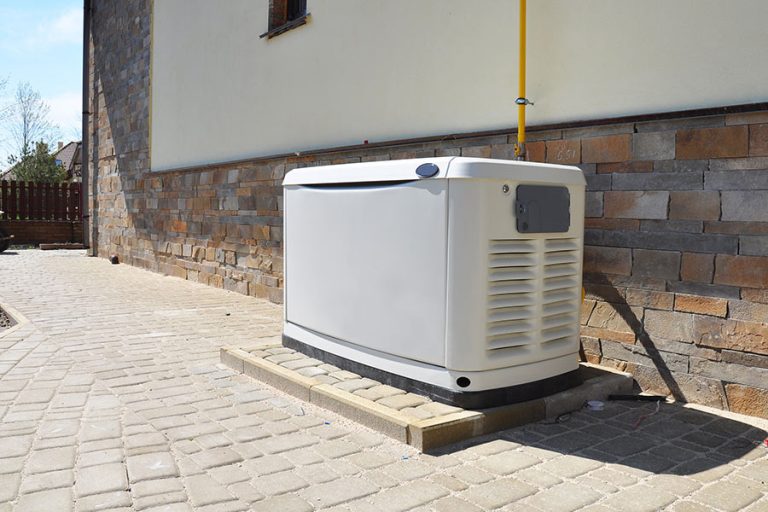
- Standby generators: Standby generators are designed for permanent use and connect to your home’s electric supply. They provide 10,000 to 25,000 watts, more than enough to fully power the average-size home. You’ll need natural gas or propane to run a standby generator.
- Inverter generators: Inverter generators provide 2,000 to 7,000 watts of stable electricity, making them ideal for delicate electronics like computers and medical equipment.
Which one is best for your Invermere, BC, home? Continue reading to learn how to decide:
- If you only want a generator to temporarily power the basics, stick with a portable generator. Portable generators are the cheapest kind, making them a good pick for homeowners on a budget.
- Want whole-house power in a storm? Stick with a standby generator.
- If you need to protect sensitive electronics, you’ll want an inverter generator.
Options for Connecting Your Generator to Your Invermere, BC, House
You’ve chosen your system; now you’re wondering how to hook up a generator to your home. You have a few options, some safer and better than others.
If you purchase a portable generator, you may want to use an extension cord for portable generator installation. This is a bad idea because extension cords limit how much power the generator can supply. That means you won’t be able to use the generator to power heavy-duty appliances like your refrigerator.
Using a generator transfer switch is the best option. Transfer switches require an electrical panel connection and prevent backfeeding, which can damage electronics. When the power goes out, your home will take power from the generator instead of the electrical main.
If a transfer switch is out of your budget, opt for an interlock kit. Interlock kits function similarly to transfer switches but cost less to install. The main drawback is that you’ll need to manually monitor the electrical load.
Safe Generator Setup: How to Hook Up a Generator to Your Home
There are several ways to hook up a generator; these instructions assume you’ve chosen the transfer-switch method.
- Hire an electrician to install a transfer switch in your electrical switchboard. Don’t attempt to do this yourself, as doing so puts you at risk of electric shock.
- Choose a site for your generator. The site should be located away from windows and doors to prevent exhaust fumes from getting inside your home.
- Connect your generator to the transfer switch. Be sure to use an outdoor-rated cable to do this.
- Hire an electrician to ground the generator. Grounding helps prevent fires and electrical damage.
- Test the generator regularly to ensure it will be ready to go when the power goes out.
- Follow the manufacturer’s recommended maintenance schedule for the generator.
If your home has a natural gas supply, you can also connect your generator to it. To do this, you’ll need to hire a plumber to add a new branch for the generator after the gas meter. Once that’s done, simply connect your generator to the gas supply and choose natural gas as the fuel source.

Having Trouble Figuring Out How to Hook Up a Generator to Your Home? Call Our Experts in Invermere, BC
Need more help understanding how to hook up a generator to your home? We get it: Installing a generator can be tricky, so why not let High Point Plumbing, Air Conditioning, and Heating Repair do it for you? We’ll help you choose a generator, install it safely, and ensure it’s ready to power your home before the next storm.
Contact us to schedule generator installation in Invermere today.