
Bursting pipes during frigid winters are expected if a property owner doesn’t take preventative measures. But what about the warmer seasons? What causes a pipe to burst in summer?
Few people expect pipe problems when the temperatures rise. High Point Plumbing, Air Conditioning, and Heating Repair knows to expect the unexpected. We’ve dealt with burst pipes under surprising conditions when providing reliable plumbing services in Cranbrook, BC. Our plumbers outline why your property pipes might rupture long after the snow melts.
What Causes a Pipe To Burst in Summer?
You have to treat your plumbing pipes with care, even though you can’t see them. They bring fresh water to your building and remove wastewater to maintain a hygienic and safe environment. All the hard work they do can make them vulnerable to numerous burst pipe causes — even during warm weather.
What causes a pipe to burst in summer? Summers in Cranbrook, British Columbia, don’t get below four degrees Celsius. So, frozen pipes almost certainly aren’t a problem. Let’s go through why your property’s pipes may suddenly rupture below.
1. Fragile or Aging Pipe Materials
Pipes, like most other fixtures, weaken with age. This holds especially true for fragile, less robust materials like brass. While manufacturers typically produce pipes that last for decades, the products will still degrade over time.
You’re more likely to face water pipe damage around the 50-year mark. Copper and PVC may last more than 50 years, but steel and brass will start to show their age.
2. Bulky, Compacted Blockages
Chronic, long-standing clogs are among the most common home plumbing problems. Let’s say grease, food remnants, and dirt collect in a concentrated area of your main drain line. You may not notice for months or years.
But one fine summer day, the rising temperatures reach the moist, congealed mass. It expands and blocks the passage so water can no longer flow. The intense water pressure is more than this pipe can take, and it suddenly bursts as a result.
A big clog can cause a pipe to burst in summer. Blockages typically develop in drain lines because of the semi-solid waste passing through. However, mineral deposits can also cause clogs in supply lines.
3. Root Infiltration
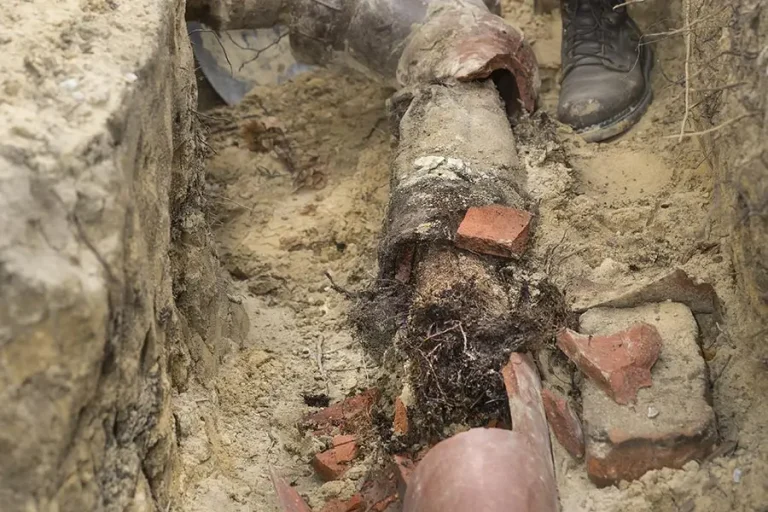
The tree or shrub in your front yard might be the source of your summer plumbing issues. Some species of woody plants aggressively grow their root systems during spring and summer. They instinctively seek sources of fresh, moving water underground, and your pipes are the perfect target.
Once the roots reach the pipes, they infiltrate weak points to access the constant flow of hydration and nutrients. Some species with aggressive root systems that thrive in Cranbrook, British Columbia, include:
- Norway maples
- Willows
- American Elms
- River birches
4. Excess Above-Ground Weight
What causes a pipe to burst in summer? Your outdoor, warm-weather fun might, especially if you and your guests frequently park on top of subterranean pipes.
Some materials can only handle so much weight and pressure at one time. If you park multiple vehicles on top of a pipe for prolonged periods, you might inadvertently damage the pipe.
5. Natural Elements
Another reason pipes burst in hot weather is due to natural weather shifts. Pipe materials contract in cold weather, while water might expand. As the ground warms, the pipes expand.
The same expansion and contraction applies to the soil, which adds pressure during winter and releases it during summer. These shifts can cause your pipes to reach a breaking point.
How You Prevent Bursting Pipes in Cranbrook, British Columbia
While you can’t combat corrosion from age or fractures from temperature shifts, you can still prevent pipe leaks by:
- Booking regular pipe inspections. Monitor aging pipe materials with professional inspections so you can replace them as needed.
- Maintaining clean drains. Scrape leftovers into the garbage can and cover your drains with debris catchers. Periodically pour hot water into the drains to loosen and encourage debris to move.
- Installing water softeners. Water softeners limit the minerals that stick to your plumbing’s internal surfaces.
- Planting trees and shrubs further away from your building. Consider tree removal services for aggressively growing species too close to your building.
- Being mindful of where you and your guests park. Keep vehicles on designated surfaces like carports.
Bursting pipes during frigid winters are expected if a property owner doesn’t take preventative measures. But what about the warmer seasons? What causes a pipe to burst in summer​?
Few people expect pipe problems when the temperatures rise. High Point Plumbing, Air Conditioning, and Heating Repair knows to expect the unexpected. We’ve dealt with burst pipes under surprising conditions when providing reliable plumbing services in Cranbrook, BC. Our plumbers outline why your property pipes might rupture long after the snow melts.
What Causes a Pipe To Burst in Summer?
You have to treat your plumbing pipes with care, even though you can’t see them. They bring fresh water to your building and remove wastewater to maintain a hygienic and safe environment. All the hard work they do can make them vulnerable to numerous burst pipe causes — even during warm weather.
What causes a pipe to burst in summer? Summers in Cranbrook, British Columbia, don’t get below four degrees Celsius. So, frozen pipes almost certainly aren’t a problem. Let’s go through why your property’s pipes may suddenly rupture below.
1. Fragile or Aging Pipe Materials
Pipes, like most other fixtures, weaken with age. This holds especially true for fragile, less robust materials like brass. While manufacturers typically produce pipes that last for decades, the products will still degrade over time.
You’re more likely to face water pipe damage around the 50-year mark. Copper and PVC may last more than 50 years, but steel and brass will start to show their age.
2. Bulky, Compacted Blockages
Chronic, long-standing clogs are among the most common home plumbing problems. Let’s say grease, food remnants, and dirt collect in a concentrated area of your main drain line. You may not notice for months or years.
But one fine summer day, the rising temperatures reach the moist, congealed mass. It expands and blocks the passage so water can no longer flow. The intense water pressure is more than this pipe can take, and it suddenly bursts as a result.
A big clog can cause a pipe to burst in summer. Blockages typically develop in drain lines because of the semi-solid waste passing through. However, mineral deposits can also cause clogs in supply lines.
3. Root Infiltration
The tree or shrub in your front yard might be the source of your summer plumbing issues. Some species of woody plants aggressively grow their root systems during spring and summer. They instinctively seek sources of fresh, moving water underground, and your pipes are the perfect target.
Once the roots reach the pipes, they infiltrate weak points to access the constant flow of hydration and nutrients. Some species with aggressive root systems that thrive in Cranbrook, British Columbia, include:
- Norway maples
- Willows
- American Elms
- River birches
4. Excess Above-Ground Weight
What causes a pipe to burst in summer? Your outdoor, warm-weather fun might, especially if you and your guests frequently park on top of subterranean pipes.
Some materials can only handle so much weight and pressure at one time. If you park multiple vehicles on top of a pipe for prolonged periods, you might inadvertently damage the pipe.
5. Natural Elements
Another reason pipes burst in hot weather is due to natural weather shifts. Pipe materials contract in cold weather, while water might expand. As the ground warms, the pipes expand.
The same expansion and contraction applies to the soil, which adds pressure during winter and releases it during summer. These shifts can cause your pipes to reach a breaking point.
How You Prevent Bursting Pipes in Cranbrook, British Columbia
While you can’t combat corrosion from age or fractures from temperature shifts, you can still prevent pipe leaks by:
- Booking regular pipe inspections. Monitor aging pipe materials with professional inspections so you can replace them as needed.
- Maintaining clean drains. Scrape leftovers into the garbage can and cover your drains with debris catchers. Periodically pour hot water into the drains to loosen and encourage debris to move.
- Installing water softeners. Water softeners limit the minerals that stick to your plumbing’s internal surfaces.
- Planting trees and shrubs further away from your building. Consider tree removal services for aggressively growing species too close to your building.
- Being mindful of where you and your guests park. Keep vehicles on designated surfaces like carports.

High Point Plumbing, Air Conditioning, and Heating Repair Patches and Replaces Pipes in Cranbrook, British Columbia
Now that you know what causes a pipe to burst in summer, check out how our plumbers go about troubleshooting frozen pipes during winter. Contact High Point Plumbing, Air Conditioning, and Heating Repair for plumbing maintenance in Cranbrook, British Columbia.