

When our AC units decide to vacation in the middle of summer, it can feel like we’re living in a sauna. But before we call in the professionals, there are some simple troubleshooting tips we can try ourselves. From checking the thermostat settings to ensuring proper airflow, we can often solve the issue without a sweat. Let’s explore these five steps to get our cooling systems back on track.
Check the Thermostat Settings
Have we double-checked the thermostat settings? This simple step can save us from frustration when our AC isn’t working correctly.
First, let’s verify the thermostat is set to “cool” mode; sometimes, we might accidentally switch it to “heat.”
Next, we should confirm the temperature setting. The AC won’t kick on if it’s set higher than the current room temperature.
Also, let’s check for any programming schedules. If our thermostat has a timer feature, it might be set to turn off at certain times.
If we still have issues, we might want to replace the batteries, especially if our thermostat is battery-operated. Regular maintenance is crucial for extending the lifespan of our AC system, so consider scheduling a service to ensure everything is operating efficiently.
Inspect the Air Filter
While we often overlook it, inspecting the air filter is essential for our AC’s performance. A dirty or clogged air filter can restrict airflow, making our system work harder and less efficiently. This not only increases our energy bills but can also lead to more serious issues down the line.
Let’s make it a habit to check the air filter monthly, especially during peak usage seasons. We should look for signs of dirt and debris; if it’s visibly dirty, it’s time for a replacement.
Some filters need replacing every few months, while others can last up to a year, depending on the type and our home’s environment. Regular maintenance, including thorough inspections, can significantly improve the efficiency of our AC system.
Examine the Circuit Breaker
One essential step in AC troubleshooting is examining the circuit breaker. We often overlook this crucial component, which can be the key to our AC issues.
Here’s how we can quickly check the circuit breaker:
- Locate the Breaker Panel: Let’s find the electrical panel in our home, usually in a basement or utility room.
- Inspect the Breakers: We should look for breakers that have tripped or are in the “off” position.
- Reset the Breaker: If we find a tripped breaker, we can flip it completely off and then back on to reset it.
- Monitor the AC: After resetting, check if our AC unit starts operating again.
If the breaker trips again, it might indicate deeper electrical issues. In that case, it’s best to call in a professional, as dependable AC repair services ensure quick resolution for such problems.
Clear the Outdoor Unit
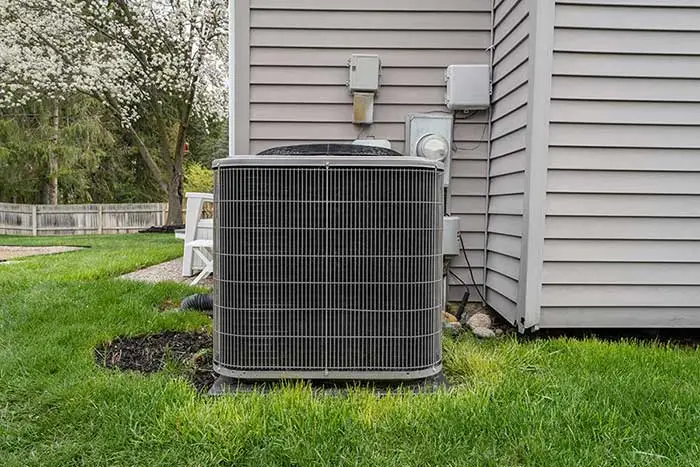
Clearing the outdoor unit is a significant step in troubleshooting our AC system. We often forget that debris like leaves, dirt, and other obstructions can accumulate around the unit, impacting efficiency.
To start, let’s inspect the area around the unit. We should remove any branches, leaves, or trash blocking airflow. For ideal performance, it’s important to have at least two feet of clear space around the unit.
Next, we can gently clean the exterior fins using a soft brush or a hose. Be careful not to bend the fins, which are key in heat exchange.
If we notice any clogs in the drain line, we should also clear those, ensuring water can flow freely. Additionally, regular maintenance checks by knowledgeable technicians can help prevent future issues and maintain optimal performance.
Ensure Proper Airflow
We must prioritize proper airflow throughout our home to guarantee our AC system operates efficiently. Poor airflow can lead to increased energy costs and discomfort.
Here are some simple steps we can take to ascertain our AC is getting the airflow it needs:
- Check and Replace Filters: To keep airflow unobstructed, we should inspect our air filters monthly and replace them every 1-3 months.
- Clear Vents and Registers: Please ensure that our vents and registers are free of furniture, rugs, or other obstructions.
- Seal Ducts: We can check for leaks in our ductwork and seal any gaps to improve airflow efficiency.
- Use Ceiling Fans: By running ceiling fans with our AC, we can help circulate cool air more effectively throughout our living spaces.
Taking these steps will help our AC system work efficiently, keeping our home comfortable all summer long.
Conclusion
In summary, following these five easy tips can tackle AC troubles like pros and guarantee our homes stay cool and comfortable. Just remember, a little maintenance goes a long way—it’s like giving our AC a revitalizing drink on a hot day. We’ll breeze through the summer without a hitch if we keep an eye on our thermostat, filters, circuit breakers, outdoor units, and airflow. Let’s keep our cool and enjoy the comfort of our homes!